Lute: A Designer’s Review for Boutique Sweatshirts
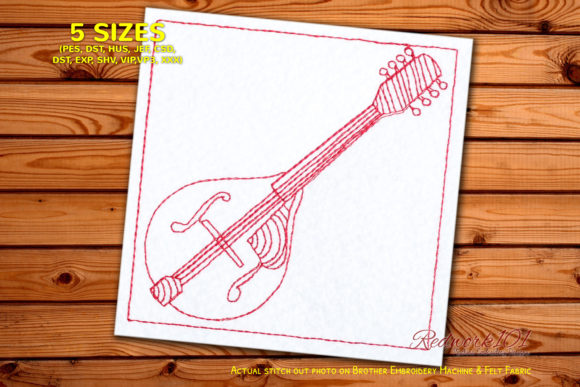
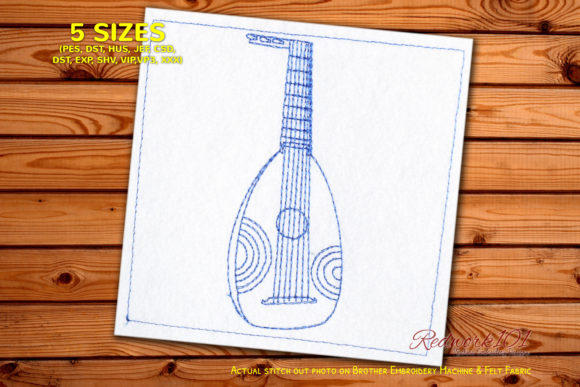
As an embroidery designer preparing for a seasonal drop, I am constantly evaluating which digital assets will translate best onto premium blanks. When reviewing the Lute machine embroidery design for an upcoming boutique brand collection, my primary focus is how this musical motif interacts with modern apparel trends. A lute is a plucked stringed instrument with a long neck bearing frets and a rounded body with a flat front, and capturing that distinct silhouette in thread requires careful consideration of stitch density and fabric texture. This review breaks down why this specific design works for small shop products and what you need to know before hooping your first sweatshirt.
First Impressions and Aesthetic Versatility
The immediate appeal of Lute lies in its balance between historical elegance and contemporary minimalism. For a handmade product line, this design avoids looking like a generic clip-art graphic. Instead, it offers a refined, artistic mood that resonates with customers seeking unique custom apparel. The layout is vertical yet contained, making it an ideal candidate for left-chest placement on oversized hoodies or center-chest positioning on crewneck sweatshirts.
What stands out during the initial evaluation is the optional Box Stitch element. In commercial embroidery, versatility is key. The ability to remove the outer box allows this embroidery file to transition from a structured, logo-like appearance to a softer, standalone illustration. For a rustic or vintage-inspired boutique brand, keeping the box adds a framed, intentional look. For a more feminine or minimal aesthetic, removing it lets the instrument breathe against the fabric. This flexibility makes Lute a high-value asset for Etsy sellers who want to offer multiple variations from a single digital embroidery file.
Fabric Pairings and Color Strategy
When planning a limited sweatshirt drop, the interaction between thread colors and garment shade dictates the perceived value. Lute performs exceptionally well across various palettes, but the approach must shift based on the base fabric.
- Neutral Sweatshirts: On oatmeal, sand, or cream fleece, using a tonal thread palette creates a sophisticated, subtle texture. The stitch definition becomes the focal point rather than high contrast. This appeals to buyers looking for quiet luxury.
- Dark Fabrics: Charcoal, navy, and black sweatshirts require higher contrast. Metallic gold or antique brass threads can elevate the lute’s historical connection, while crisp white offers a bold, modern graphic feel. Ensure the stitch density is adjusted to prevent the dark fabric from showing through lighter threads.
- Pastel Colors: Sage green, dusty rose, and slate blue provide a soft backdrop. Here, darker outline threads help define the frets and neck details without overwhelming the gentle colorway. This combination is perfect for cozy seasonal apparel targeting a younger demographic.
The description notes that the color of the outer box is different from the main design. As a designer, I recommend testing this two-tone effect on scrap fabric first. If the contrast is too harsh for your specific boutique brand identity, consider matching the box thread to the sweatshirt color for a tone-on-tone framing effect that feels more integrated.
Technical Considerations for Commercial Embroidery
A beautiful screen preview does not always guarantee a clean finished product. When running Lute on heavy fleece or French terry, practical concerns regarding stabilizer and hoop size take precedence. Sweatshirt embroidery presents unique challenges due to the pile and stretch of the knit fabric.
Stabilizer and Hoop Placement
For any hoodie design or sweatshirt project, proper stabilization is non-negotiable. Because the lute features fine details like frets and strings, I recommend using a medium-weight cutaway stabilizer permanently adhered to the back of the garment. Tear-away options often fail to support the intricate linework on stretchy knits, leading to registration issues or puckering. Always verify the required hoop size in your design assets before purchasing to ensure compatibility with your machine setup.
Stitch Density and Readability
The long neck and frets of the lute are potential failure points if the stitch density is too high or too low. Excessive density on fleece causes bulletproofing (stiff, hard patches), while insufficient density allows the fabric texture to swallow the detail. Before committing to a full production run, stitch out a test sample at the intended final size. Check if the frets remain distinct after washing. If they blur, you may need to slightly increase spacing or adjust pull compensation in your software. Remember, small-size readability is crucial for chest placements; if the design loses clarity below three inches, reserve it for back designs or tote bags instead.
Elevating Brand Value and Customer Trust
For creative entrepreneurs and apparel decorators, the choice of design directly impacts buyer trust. Using a well-digitized music-themed embroidery file signals professionalism. Lute contributes to a cohesive brand identity because it is specific enough to be memorable but general enough to fit various niches, from folk music enthusiasts to cottagecore fashion lovers.
High-quality embroidery also enhances lifestyle product photography. The dimensional texture of the lute catches light differently than screen printing, adding depth to mockup previews and listing photos. When customers see crisp, clean stitching in your Etsy listings, they associate that quality with the entire handmade product. This visual recognition helps justify premium pricing for boutique merchandise.
Production Checklist for Small Shops
Before launching your collection featuring Lute, run through this essential verification list to ensure commercial readiness:
- Verify File Specifications: Confirm the exact stitch count, physical dimensions, and included formats match your machine requirements. Never assume standard sizing.
- Test Wash Durability: Launder your test swatch exactly as you would instruct customers. Check for thread shrinkage or fabric distortion around the box stitch area.
- Mockup Accuracy: Use printable mockup templates that reflect the actual scale of the design. Misleading size representation is a common cause of returns for digital sellers and apparel shops.
- Thread Inventory: Since the outer box uses a different color, ensure you have sufficient stock of both shades for your planned batch size to avoid mid-production color substitutions.
- License Compliance: Double-check that your purchase includes rights for commercial use on physical products, especially if selling on third-party platforms.
Final Thoughts for Apparel Decorators
Lute represents a strong contender for any music-focused or vintage-inspired embroidery lineup. Its structural integrity, combined with the optional framing element, provides the customization depth that small businesses need to differentiate themselves. Whether you are creating a signature hoodie design for a fall collection or expanding your catalog of niche custom apparel, this design offers both aesthetic charm and technical adaptability. By respecting the nuances of fabric texture and maintaining rigorous quality control during testing, you can transform this digital file into a tangible, high-value product that resonates with your audience and strengthens your brand’s reputation in the competitive handmade marketplace.